

On Substack, but not in love with Substack
If you’re reading this, then you’re reading it on Substack. I sort of wish you weren’t – and I certainly wish I wasn’t writing it here. But we don’t live in the best of all possible worlds. This (first) post is, essentially, the tale of why I’m writing on Substack despite being a public critic of the company.
A couple of years ago, when money was still cheap (thanks to low interest rates) and tech funding was plentiful, it looked like there might be a whole ecosystem of Substack-type services.
One of the best prospects looked to be Revue – a newsletter startup that had been bought by Twitter. This seemed like it could be a very good marriage indeed.
One of the fundamental challenges for Substack is revenue generation – it takes 10% of what its writers earn, with an additional 4% for payment processing. Substack recently raised $5m from the general public (at a $585m valuation), and one of the slides released alongside that fundraising suggests it made around $17m in revenue last year. That is not the kind of numbers that creates tech unicorns – and there’s no obvious reason to believe it can scale exponentially.
Substack is providing a good income for a lot of writers (and an extraordinary income for a small number), but it clearly isn’t going to be the next TikTok. It feels more likely that one day it will be sold to a bigger tech company, rather than floating as an independent.
Revue had done just this – selling to a social network with which it could be integrated. With $5 billion in annual revenue and a small annual profit, Twitter was – before the takeover – a viable tech business, even if it wasn’t a well-run one. Revue, alongside a few other products and features, came close to giving it a credible offer to creators.
Twitter had already rolled out Super Follows, which could have become a service akin to Patreon. Twitter Circles provided functionality to have some tweets only visible to a select group – such as paid followers. With Revue, Twitter could have bundled in newsletter functionality alongside these features.
Instead of people gathering a following on Twitter and monetising it elsewhere (such as here), they could bring it into their ecosystem. It was a better plan than Twitter had had for most of its lifetime.
So it was grimly inevitable that as soon as Elon Musk completed his grudging $44 billion acquisition of Twitter that he killed off Revue and laid off all of its staff. Instead of asking fans and followers to pay $8 a month to their favourite creators – and taking a slice of the proceeds – Musk is asking creators to pay him $8 a month for the privilege of providing him with free content. So far, it has not had many takers.
That doesn’t leave many places for independent journalists to go. I finish as Global Editor of The Bureau of Investigative Journalism in just under a month, and I plan to mostly work as a freelancer. I’m lucky to have good ‘ins’ with traditional media and intend mostly to write there, but a platform of your own is a valuable thing to have.
For that, Substack is the only show in town – its remaining rivals are just too small for any kind of discovery tool to work, and having spoken to other Substack writers I am aware that those tools contribute heavily to their new subscribers, and even to their paid subscribers.
My misgivings about the company are much the same as they always have been – Substack initially pitched itself as an alternative to the online culture wars, and then realised its revenues depended largely on the people who stoke them most aggressively. There is a negative feedback loop – provoke controversy on Twitter, reach a new audience, write about it on Substack, get new subscribers. Rinse, repeat, and count the dollars.
The company has also treated people I know quite shabbily – dropping a freelance editor for his role in producing a post critical of the company (though they did later pay out his contract).
I don’t intend to get any deeper into the culture wars than I already am – but I do want a place to produce something bespoke, on technology, policy and what it’s doing to our society. This is the first post of that effort, which I’m calling Techtris, a terrible pun of a name for a Substack about how everything fits together.
It will be completely free for the first month, and paid thereafter. My intention is to post weekly, with occasional free posts in amongst. Please do consider subscribing if you can.
Tech has changed radically over the last few decades – and part of that change means tech giants are becoming regular companies. The days of us having warm fuzzy feelings towards the makers of our online tools are long gone. In the 2000s, Tom From MySpace was everyone’s friend – few would say the same of Elon Musk.
I can drink Diet Coke without being a fan of the Coca-Cola company, and enjoy a Marvel film without saluting Walt Disney. So here I am on Substack – welcome to big tech’s commodification era.
In the news this week
GPT-4 is freaking everyone out, but the open letter for a six-month moratorium on training more advanced models is bonkers. I write more on this for the Sunday Times (£) .
I’ve also had a go at writing the flipside argument in the Sunday Telegraph – given all the alarm bells being sounded about AI, why are we so hell-bent on developing it?
Still on the subject of alarm, the panic of cybersecurity experts upon seeing what the UK Treasury is willing to pay its head of cybersecurity – just £57,000 – is entirely justified, given it’s perhaps the most integral central government department and it’s paying just a third of what even a medium-sized business would.
And finally, facial recognition continues not to be up to the jobs asked of it, and that continues to do nothing to stop people rolling it out.
And finally: Balenciaga Potter
While we’re all panicking about AI, I’m increasingly excited for what it might mean for Weird Twitter, a subculture that has sadly been on the decline for the last several years. Nowhere was this more evident than in the bizarre Balenciaga/Harry Potter AI mashup video that did the rounds this week:

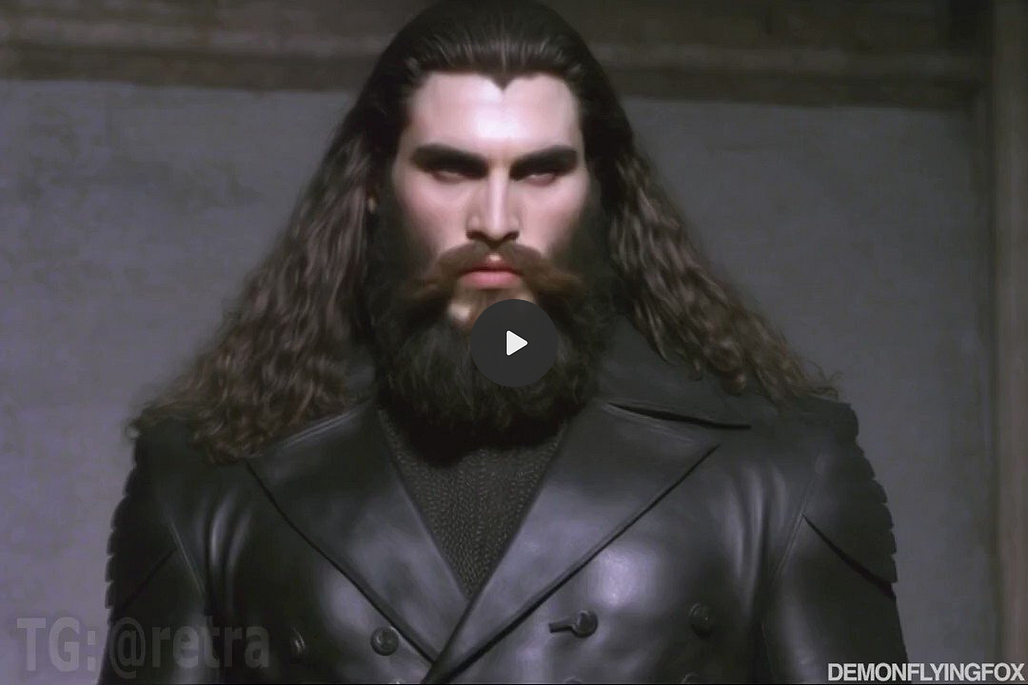
I have no idea what its intended meaning could possibly be. I am completely perplexed as to why the AI has made certain famous actors look like other famous actors (I can see Angela Lansbury and Andrew Lincoln in there). But I have watched it at least two dozen times, and I’m thrilled at the prospect of more. Roll on a weirder Twitter future.
That’s it for this launch post. If you’ve enjoyed it, please do mash the subscribe button and sign up.
Why are you getting this in your inbox? I had initially intended to launch this newsletter using Buttondown, but realised it lacked the discoverability I am told is essential to keep these things going – so I have migrated that list over to here. It shouldn’t open any up to emails except from me, and please do opt out if you had only been interested in Buttondown, and not Substack.
Final bonus fact: I initially misspelled Buttondown as Buttdown before hitting send on this. I’m almost sad that I spotted it.